- Healthcare AI
- Thought Leadership
5 min. read

How Dr. Doug Fullington got his mornings back
Dr. Doug Fullington knew he wanted to be a doctor in the third grade. He grew up with asthma, and in the middle of the night, when an attack hit, his family would drive him to a doctor named Dr. Rumble, a man who’d been practicing in the same small Georgia town so long they’d named a road after him. Dr. Rumble worked out of the downstairs of his own house, with his wife as his nurse. A shot of epinephrine, instant relief, and a kid who knew, even half-asleep, that he wanted to be able to do that for someone else one day.
Dr. Fullington has been practicing internal medicine for 29 years, the last 13 of which have been with Catalyst Physician Group. He still talks about medicine that way: as connection, as showing up for someone in the middle of the night. But for a long time, his actual mornings looked nothing like that story.
They looked like this: alarm at 5 a.m., coffee, and then 90 minutes, sometimes more, of chart prep before he’d even seen a single patient. Digging through records for the last cardiology note. Hunting down a hospital discharge summary. Piecing together what had changed, what mattered, what he couldn’t afford to miss. “I feel like I’ve done almost a full day’s work before I even start,” he says.
It wasn’t complicated work, intellectually. That was almost the worst part. “Death by a thousand clicks,” he calls it, one small decision after another, not hard, just relentless. And it didn’t stop when the patients started arriving. Every visit meant more data entry, more codes, more orders, layered on top of actually trying to take care of the person in front of him.
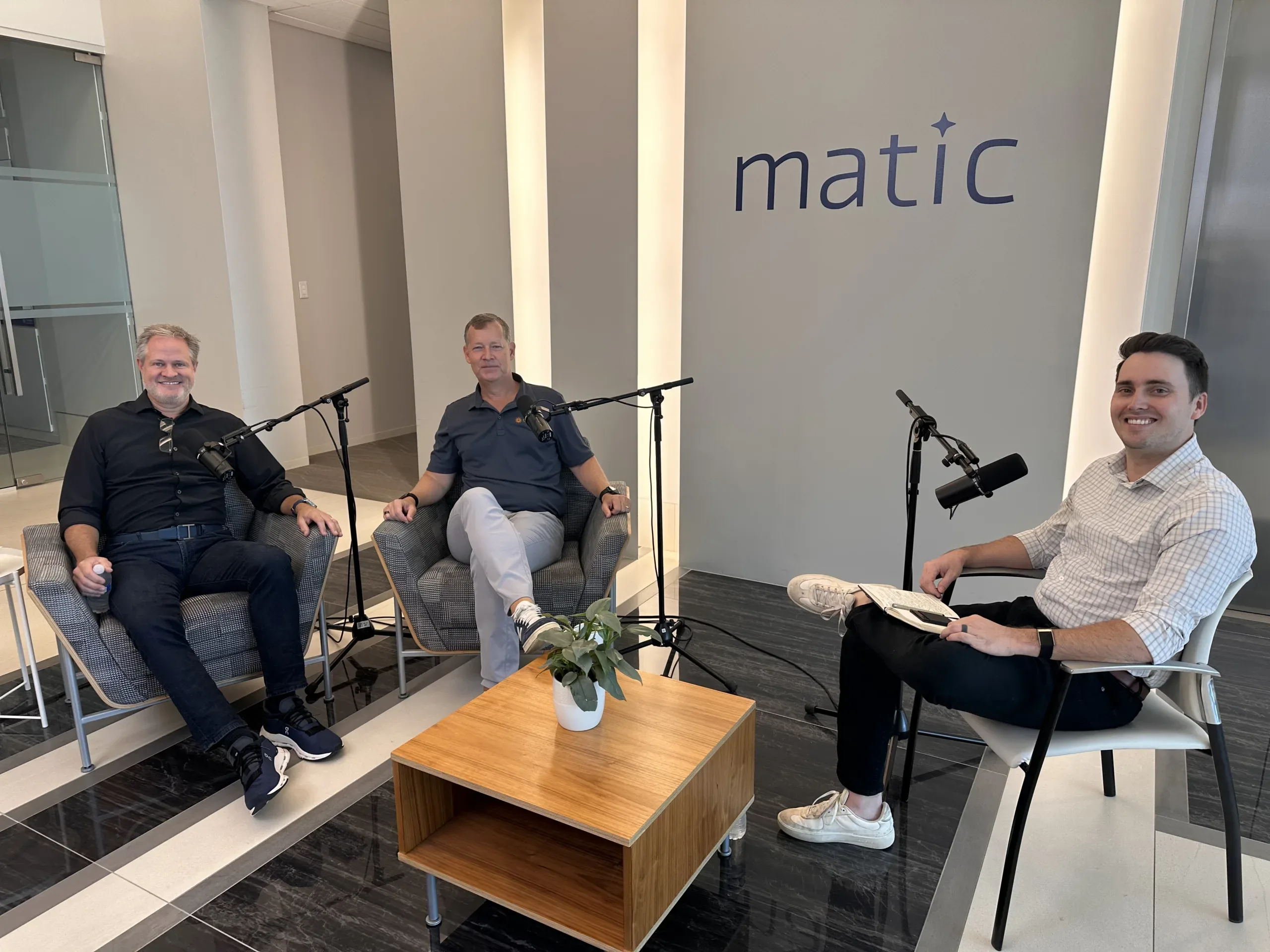
Then he started using Matic. His words: “the Angel Choir sang.” He’d braced himself for another tool that would ask him to work harder to make it work at all. Instead, the first thing Matic did was get the 90 minutes back without asking him to lift a finger. That was the moment it stopped feeling like software and started feeling like relief. “It was the easy button,” he says. He’s said it in more than one meeting since, only half-joking.
The first thing that changed was the ninety minutes. The chart prep he used to build by hand, digging, cross-referencing, hoping he hadn’t missed anything, was just done when he opened the tool. Matic pulls directly from the EHR before he ever logs in, surfacing the discharge summary, the specialist’s most recent note, the medication changes, and lines them up against what’s flagged for that visit, by the time he sits down, the chart review is already done. It gives him back 90 minutes at the start of his day.
But the time itself isn’t really the headline. It’s what that time gave back. Less cognitive load. Fewer of the thousand small decisions that used to eat away at his energy before lunch. That meant something concrete: when a genuinely complex, sick patient walked in at 4 p.m., the kind of visit that used to feel like a dread-filled uphill climb because he was already running on empty, he was fresh enough to actually engage.
And something he didn’t expect: he started feeling more curious again. More willing to chase down a question in real time, in the exam room, with the patient right there. He describes turning the screen toward a patient and saying, essentially, let’s look this up together, treating the AI less like a shortcut and more like a colleague they could both learn from. He believes that kind of in-the-moment learning sticks in a way that looking something up hours later never does.
At home, the change is just as real. The weekend ritual of pre-loading the next week’s charts is gone. Notes are closed by the end of the day. The work doesn’t cross the threshold into family time the way it used to.
Fullington is careful to give credit to the how, not just the what. The tool he uses today isn’t a product handed down from a vendor. It’s something built with physicians like him, with engineers who’ve shadowed dozens of clinicians in real exam rooms to see what actually gets in the way. When he flags something that isn’t working, he’s seen it fixed within the day, a level of responsiveness he says he’s never gotten from another technology vendor in over a decade of practicing.
“Most of the mundane work has moved off my plate. What is left is the work that should be mine: the complex case, the hard differential, and the relationship.”
He sums up the whole experience in one word: “Magic.” Then he catches himself and adds the more useful version, the version that actually matters for the next doctor deciding whether to trust a tool like this with their mornings: it’s the software solution he wishes he’d had for the last ten years. Not because it’s flashy. Because it gave him his mornings back.
If your mornings still start with ninety minutes of pre-work into your day, that’s the conversation worth having with the Matic team. Schedule a discovery call, and we’ll show you what chart prep looks like when it’s already done before you wake up.